


iOptron
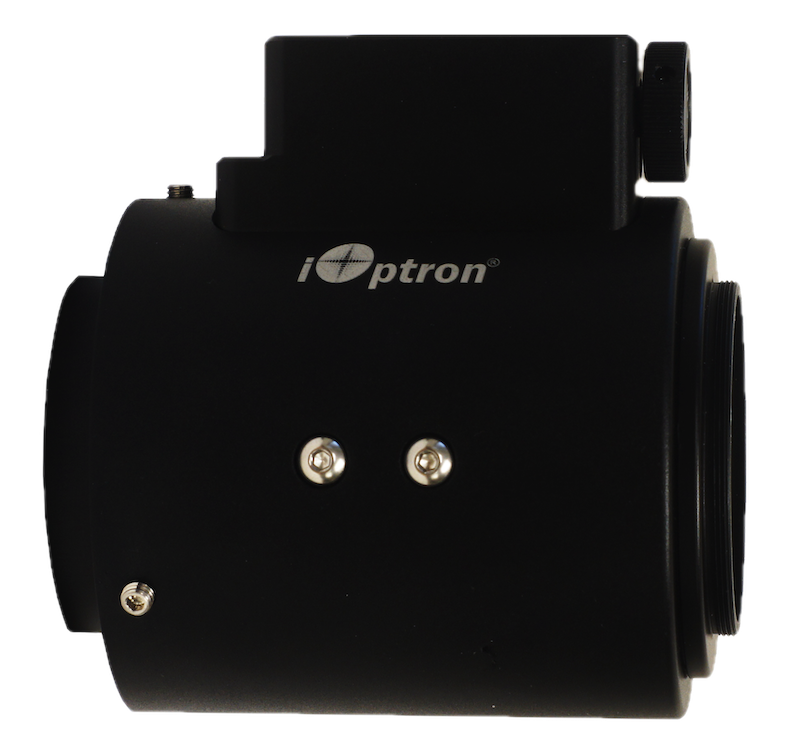
Electronic Inline Automatic Focuser with iLock 2"
Electronic Inline Automatic Focuser with iLock 2"
Couldn't load pickup availability
Introducing the most versatile inline focuser available, the iOptron iAFS™ focuser with iLock™ technology. Utilising a lead worm movement is the key to the iAFS focusers patented design; this passive position locking system secures most any payload
(imaging train) at the stopped position, maintaining focus even as the instrument angle is changed.
The iAFS incorporates three focus modes;
- USB (computer control)
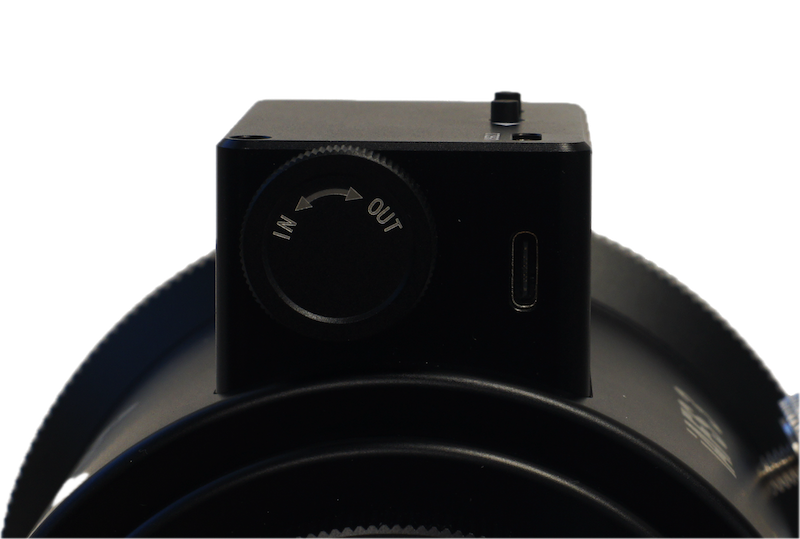
- on board directional buttons (for powered manual adjustments)
- a manual focus wheel
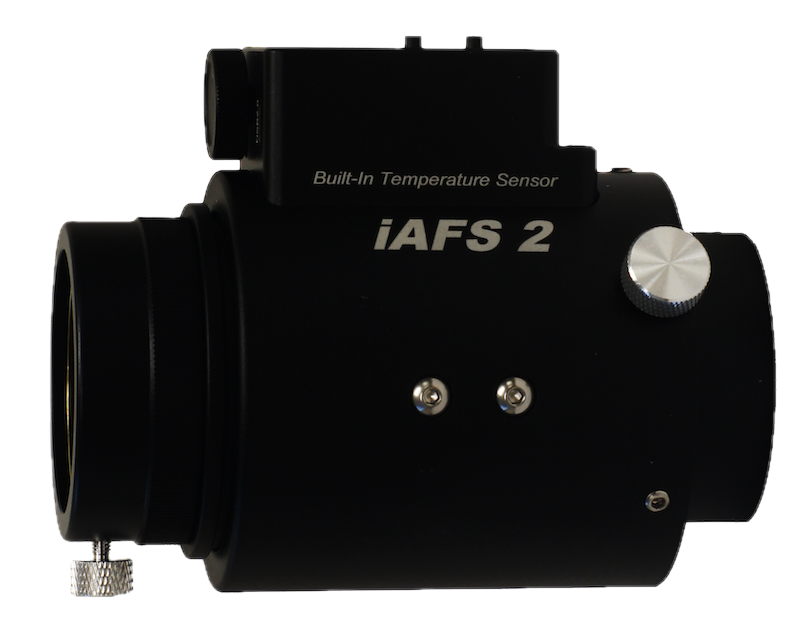
Other features include a built-in temperature sensor, multiple USB-C ports, solid all metal body, fingerprint resistant exterior surface, 0.6 micron movement resolution, position limiters to prevent over runs.
It come standard with a two inch visual back and optional telescope adapters to fit various OTAs are available. Contact us for more information on adapters.
Select the adapter for your telescope of camera
iAFS2 Telescope Adapters
Features
• Built-in temperature sensor
• Whisper quiet operation
• Powerful stepper motor
• Zero backlash
• USB connection to a computer
• ASCOM & INDI compatible
• Manual adjustment (powered or unpowered)
• Position memorizing during power off
• Compatible with most OTAs with proper adapter
Specification
| Focuser Size | 2" |
| Dimensions | 90.5X106X82mm |
| Weight | 783g |
| Clear Aperture | 51mm |
| Maximum Payload | 5kg |
| Drawtube Travel Distance | 30mm |
| Focusing Resolution | 0.6um |
| Power/Communication Port | 2 x Type-C USB2.0 port |
| Drive Train | Stepper motor with belt reduction |
| Automatic Focusing | Yes |
| Motorised Focusing Button | Yes |
| Manual Focusing | Yes (with override) |
| Temperature Sensor | Yes (built-in) |
| Camera Angle Adjustment | Yes |
Share
I am delighted to write a report for this product. It is extremely well made and combines a manual as well as electric function for focusing. This is important to me because with my other electric focuser, I was unable to use the telescope visually without having to dismount it. Now I am able to use it visually.
The focusing function allows very precise control. Unlike my previous focuser, there is now no problem from Schmidt Cassegrain mirror slop. I can now search for focus by adjusting in and out of focus and then when focus is found, set the counter to zero. I am a planetary imager and can now be very precise in searching for focus - even during a video capture. When experimenting beyond your "zero" point one can always return to that point precisely.
I have no hesitation in recommending it.
Cheers,
Paul Mallinson